Smart thermostats are making their way into more and more homes. But are they really worth the investment? In this article, we'll break down the benefits, costs, and considerations to help you decide if a smart thermostat is right for you and your home.
Why People Buy Smart Thermostats
Smart thermostats offer plenty of advantages, but why are so many people choosing them? Let's take a look at the key reasons behind their popularity.
Better Control Over Home Temperature
The most obvious reason many people buy smart thermostats is for better temperature control. You can easily adjust the temperature from anywhere using your phone. Heading out of town and forgot to turn down the heat? No problem. Just pull out your phone, and you can change it in a few seconds, saving you energy while you're away.
More Convenience in Daily Use
Smart thermostats bring convenience into daily life. They offer a user-friendly interface, voice control, and scheduling features that make managing your home's temperature effortless. Many also sync with home assistants like Alexa or Google Home, giving you even more control with simple voice commands.
Lower Energy Use Over Time
By learning your habits, smart thermostats can make adjustments that save energy and reduce your utility bills. For example, if you typically leave the house at 8 AM, the thermostat can automatically adjust the temperature while you're away. Over time, this helps cut down on wasted energy and helps you lower your monthly bills.
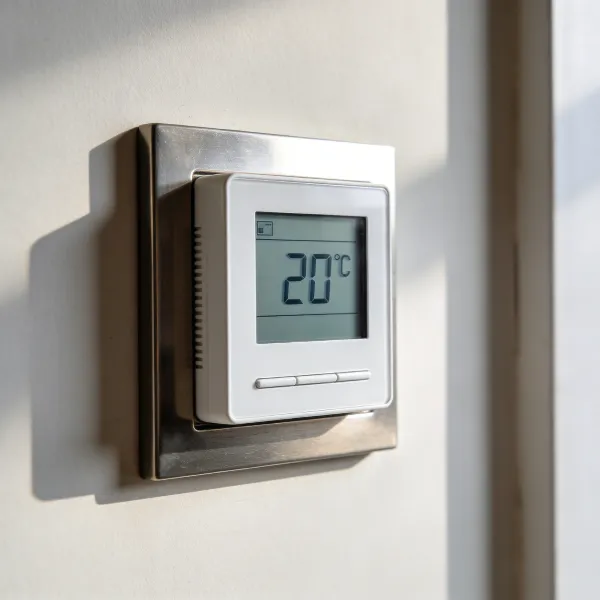
What Makes a Smart Thermostat Worth It
So, what makes smart thermostats worth the price tag? Here's why they might be a great addition to your home.
Energy Savings and Lower Bills
One of the biggest advantages of a smart thermostat is its ability to save you money. By automatically adjusting the temperature based on your routines, it helps cut down on the time your heating or cooling system is running unnecessarily. With smart features like geofencing and learning your schedule, you won't waste energy heating or cooling an empty home.
Remote Control and Automation
Smart thermostats offer a level of control that traditional models simply can't match. Whether you're at home or on vacation, you can adjust the temperature remotely from your phone. Additionally, many models come with automation features. For example, it can turn down the heat when you leave the house and ramp it up again right before you return, ensuring comfort without wasting energy.
Smarter Scheduling and Learning Features
Many smart thermostats go beyond simple scheduling. They learn from your behavior and make adjustments over time. For example, if you prefer your home cooler at night, your thermostat will adjust accordingly without you having to set it every evening. This self-learning feature helps ensure that you're always comfortable while still saving energy.
Who Gets the Most Value from a Smart Thermostat
While many homeowners can benefit from a smart thermostat, some groups are more likely to see the most value.
Homes with Changing Schedules
A smart thermostat is especially valuable for households with unpredictable schedules. If your family members are in and out at different times or if your routines change from week to week, the smart thermostat will adapt to those changes. It can track when people are home and adjust the temperature accordingly, reducing unnecessary energy use when the house is empty.
Larger Homes with Higher Energy Use
Larger homes often have higher energy bills due to the size and complexity of the heating and cooling systems. Smart thermostats can optimize the use of your HVAC system in large spaces, ensuring that no room is over- or under-heated. This can lead to more balanced temperatures throughout the house and less energy waste, which is particularly useful in bigger homes.
People Who Want More Control from Their Phone
For those who love being able to control everything from their phones, a smart thermostat offers the ultimate convenience. With a quick tap, you can adjust your home's temperature, even if you're not physically there. This is especially useful if you're coming home from a trip and want to make sure the house is at the perfect temperature when you arrive.
When a Smart Thermostat May Not Be Worth It
Although smart thermostats offer many benefits, there are certain situations where they may not be the best investment.
If Your Schedule Rarely Changes
If your household operates on a predictable routine, the benefits of a smart thermostat might not be as noticeable. If you're always home at the same times each day and prefer to manually adjust your temperature, a traditional thermostat may serve you just fine. In this case, a smart thermostat's advanced features may not be necessary.
If Your HVAC System is Not Compatible
Before buying a smart thermostat, check if it's compatible with your HVAC system. Not all smart thermostats work with every heating and cooling setup, so it's crucial to ensure that the thermostat will function properly with your system. If your HVAC unit is outdated or incompatible, a smart thermostat may not be the right fit.
If the Upfront Cost is Hard to Justify
Smart thermostats can be expensive. While they may save you money in the long run, the initial cost can be a deterrent for some. If the upfront cost is a concern, it might not feel worth the investment right away. Consider your budget and whether you're ready for the initial expense, especially if you're on a tight budget.
What to Consider Before You Buy
Before you make the leap and buy a smart thermostat, there are several things to consider to ensure you're making a smart purchase.
Upfront Cost and Long-Term Savings
While smart thermostats can lower your utility bills over time, the upfront cost can be significant. It's important to weigh the cost against potential savings. Some models may even come with a hefty installation fee, so consider these factors when deciding if it's worth the investment. Use the potential savings on your monthly energy bills to help justify the purchase.
Installation and Setup
Installing a smart thermostat is generally straightforward, but you might need a professional for certain systems. If you're tech-savvy, you might be able to handle it yourself, but if not, factor in the cost of professional installation. Make sure the thermostat you choose is compatible with your HVAC system to ensure smooth installation.
Privacy and Data Concerns
Smart thermostats collect data to improve their performance, such as your daily routines and temperature preferences. While this data helps reduce energy use and improve comfort, it's important to make sure you're comfortable with how your information is handled. Look into the company's data privacy policies and ensure they meet your standards.
How to Choose the Right Smart Thermostat
Picking the right smart thermostat involves a few key factors to consider. Here's how to make the best decision for your home.
Compatibility with Your HVAC System
The first thing to check is whether the smart thermostat you're considering is compatible with your heating and cooling system. Some thermostats are designed to work with a wide range of systems, while others have limitations. Check compatibility before you make a purchase to ensure the system will work properly in your home.
Ease of Use and App Experience
The ease of use is critical when choosing a smart thermostat. Many of these devices come with an app that allows you to control the temperature remotely. Make sure the app is user-friendly and works well with your smartphone. Some thermostats even integrate with voice assistants like Alexa and Google Assistant for hands-free control.
Conclusion
Is a smart thermostat worth it? If you're looking for more control over your home's temperature, lower energy bills, and the convenience of remote access, it could be an excellent investment. However, it's important to weigh the upfront costs, compatibility with your HVAC system, and the long-term savings. For many homeowners, the benefits will more than make up for the initial price tag, but only you can decide if it's right for you.