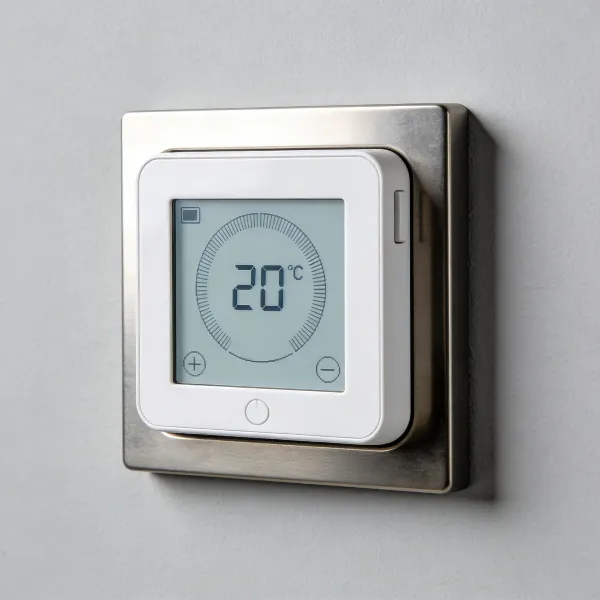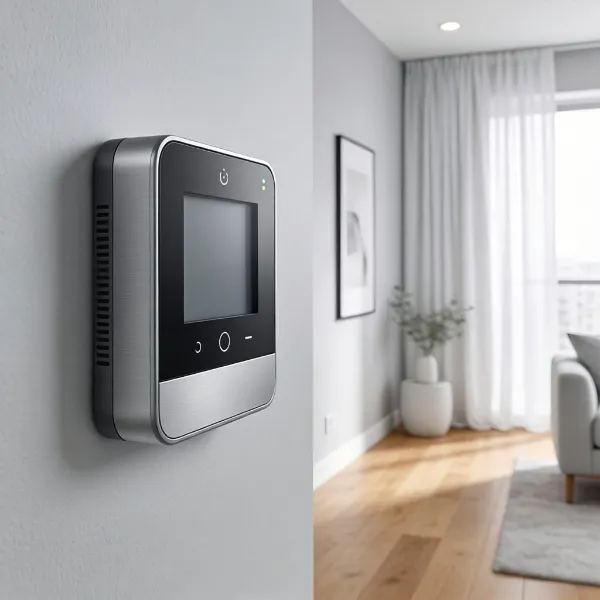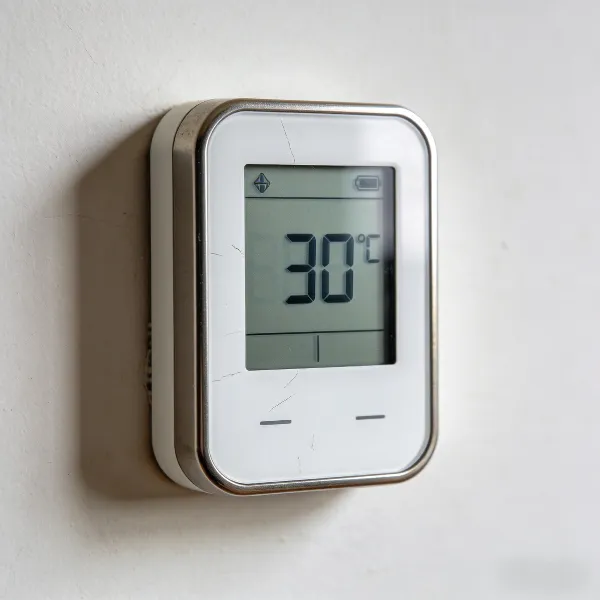
As homes become more connected, smart thermostats are becoming a must-have. These devices help regulate indoor temperatures, making your home more energy-efficient and comfortable. If you're shopping for a smart thermostat, it's important to know what features to look for to ensure you get the right model for your needs.
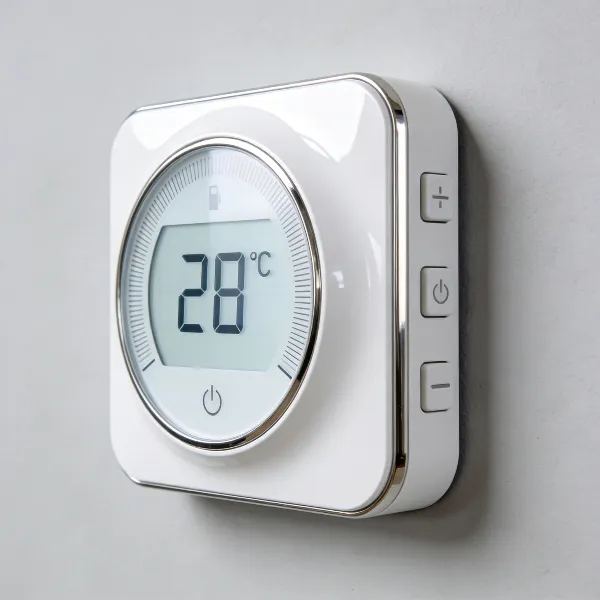
Must-Have Smart Thermostat Features
When picking out a smart thermostat, some features will really make a difference in your daily comfort and energy savings. Here's what you'll want to look for.
Remote Control from Your Phone
One of the best features of smart thermostats is the ability to control your home's temperature from anywhere using your smartphone. Whether you're at work, out with friends, or on vacation, you can adjust the temperature to your liking with just a tap on the app. It's all about convenience and making your life easier.
Scheduling and Automation
Scheduling lets you set specific temperatures for certain times of the day—lowering the heat when you leave for work and warming things up before you get home. But the real magic happens with automation. Many smart thermostats can learn your daily routine and make adjustments on their own, saving you the hassle of manually setting the temperature every day.
Geofencing and Occupancy Detection
Geofencing uses your phone's GPS to detect when you're near home. If you're on your way back, the thermostat will start heating or cooling your home so it's at the perfect temperature when you walk in the door. Occupancy detection takes this a step further by ensuring the system only runs when someone's actually in the room, helping to save energy when rooms are empty.
Energy Reports and Usage Insights
A good smart thermostat will give you detailed reports on how much energy you're using and offer suggestions for how to cut down. It might show you trends in your energy use, like how much you're spending during peak hours or what temperature settings are costing you the most. These insights can help you make smarter choices and save on your utility bills.
Voice Assistant and Smart Home Integration
If you're already using Alexa, Google Assistant, or another smart home hub, you'll want a thermostat that works seamlessly with these systems. Many smart thermostats are compatible with voice assistants, so you can adjust the temperature with simple voice commands. Plus, integration with other smart home devices adds convenience, like syncing your thermostat to lights or security systems.
What to Check Before You Buy
Before making a decision, make sure your new thermostat will work with your current setup. Here are a few things to keep in mind:
HVAC System Compatibility
Not all smart thermostats are compatible with every HVAC system. Some work best with central heating and cooling, while others are designed for specific setups, like radiant floor heating or heat pumps. Double-check that the thermostat you're considering works with your system to avoid any installation headaches.
C Wire Requirements
Many smart thermostats require a C wire (common wire) to power the device continuously. If your current system doesn't have a C wire, you may need to install one. However, some smart thermostats can run without it, or you can use an adapter. Be sure to check compatibility before you buy.
Installation and Setup Difficulty
Smart thermostats can vary when it comes to installation. Some are easy to install yourself, while others might require professional help. If you're handy with tools, you might be able to install it yourself, but if not, consider hiring a pro. Make sure to read reviews or check the manufacturer's guide to get a sense of how difficult installation will be.
Features That Add More Value
In addition to the must-have features, there are some extra perks that can make your thermostat even more useful and efficient.
Learning and Automatic Adjustments
Learning thermostats are great for people who like convenience. They'll learn your habits over time and automatically adjust the temperature without you needing to lift a finger. For example, if you consistently adjust the temperature to a certain setting at night, the thermostat will start doing this for you.
Remote Sensors for Different Rooms
If your house has rooms with varying temperatures, remote sensors can make a big difference. These sensors detect the temperature in different rooms and help your thermostat adjust accordingly. This is especially helpful in larger homes or spaces where temperatures fluctuate.
Maintenance Alerts and Software Updates
Smart thermostats aren't just for temperature—they can also help keep your HVAC system running smoothly. Some models send you maintenance alerts when it's time to replace an air filter or schedule a service. Software updates ensure your thermostat stays up-to-date with the latest features and bug fixes, keeping everything running efficiently.
Which Homes Benefit Most from Smart Thermostat Features
While any home can benefit from a smart thermostat, some homes will see greater advantages from specific features.
For Homes with Changing Schedules
If your family has a lot of changes in your routine, like kids coming home at different times or a spouse working from home some days, a smart thermostat can make a big difference. Features like scheduling, geofencing, and occupancy detection allow you to keep your home comfortable without wasting energy.
For Larger Homes with Uneven Temperatures
If you live in a large home, you've probably noticed that some rooms are hotter or colder than others. A smart thermostat with remote sensors can balance the temperature across your home. No more chilly bedrooms or stuffy living rooms—just consistent comfort in every room.
For Smart Home Users Who Want More Automation
Already using smart lights, smart speakers, and other smart home gadgets? A smart thermostat will seamlessly integrate with your existing system, offering even more automation. For instance, you can set your thermostat to adjust when you lock your doors or when your security system is armed. It's all about enhancing the comfort and efficiency of your home.
How to Choose the Right Smart Thermostat
Choosing the right thermostat isn't one-size-fits-all. Here are a few things to consider when shopping for yours.
Prioritize the Features You Will Actually Use
Not every feature is necessary for every home. If you travel often, remote control might be important to you. If you have a busy family, scheduling or occupancy detection could be more helpful. Choose the features that will genuinely improve your daily life and energy efficiency.
Compare Ease of Use and App Experience
The app that controls your thermostat should be easy to use and intuitive. Look at the app's interface before purchasing and check out user reviews. You want to make sure you won't be stuck trying to figure out how to adjust the temperature.
Balance Price, Features, and Compatibility
There are smart thermostats at different price points, but don't just go for the cheapest one. Find a balance between price, features, and compatibility with your HVAC system. While it's tempting to save money, make sure the thermostat meets all of your needs and works with your current setup.
Conclusion
Smart thermostats are a great investment for your home, offering energy savings, convenience, and comfort. By focusing on the right features for your needs, you can choose the perfect model. Whether you prioritize remote control, scheduling, or smart home integration, finding the right thermostat can make a significant difference in your home's comfort and energy bills.