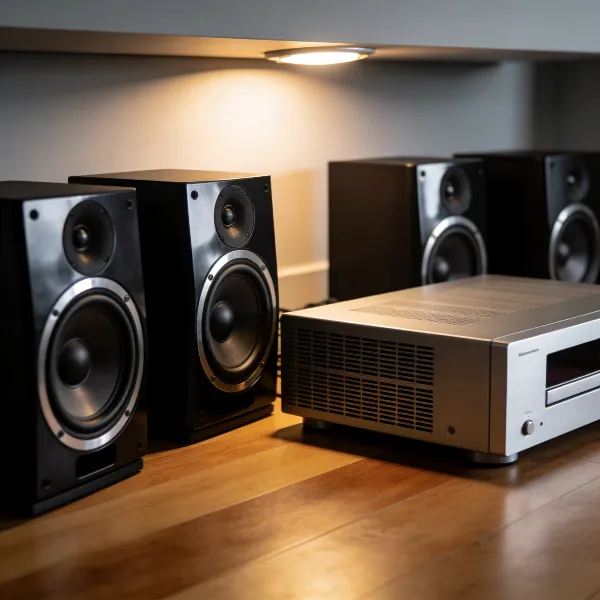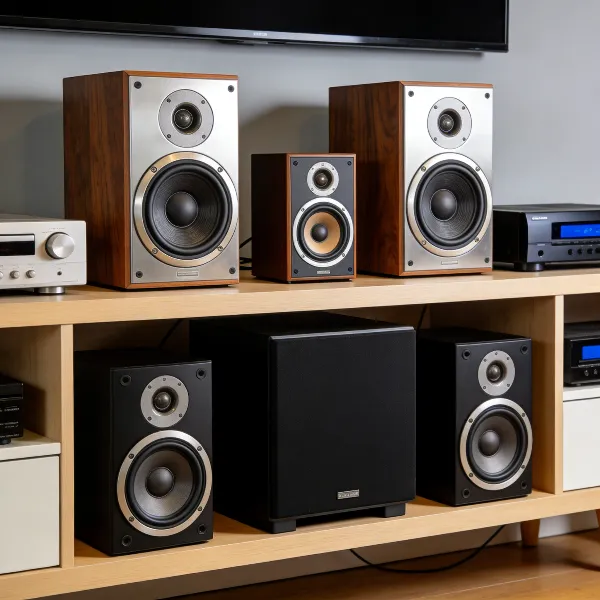
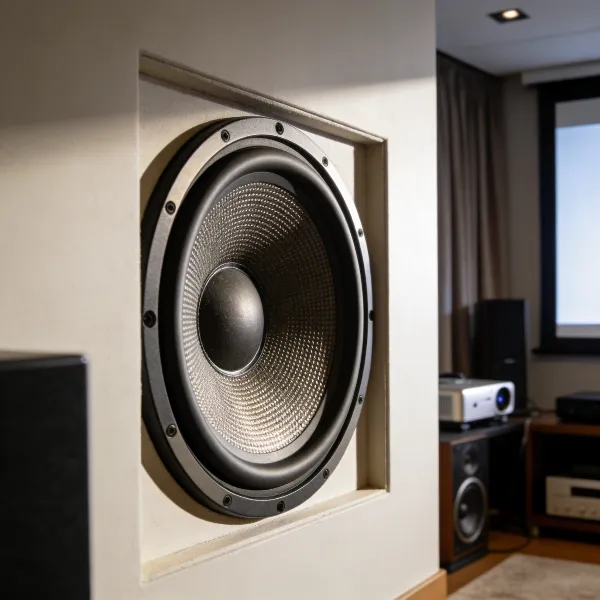
A home theater setup isn't complete without top-notch speakers. If you want great sound without bulky equipment taking up space, in-wall speakers are the way to go. They blend into your walls, providing impressive audio while keeping your living area neat and stylish. In this guide, we'll take you through the best in-wall speakers for home theaters, what features to look for, and how to install them for the best sound experience.
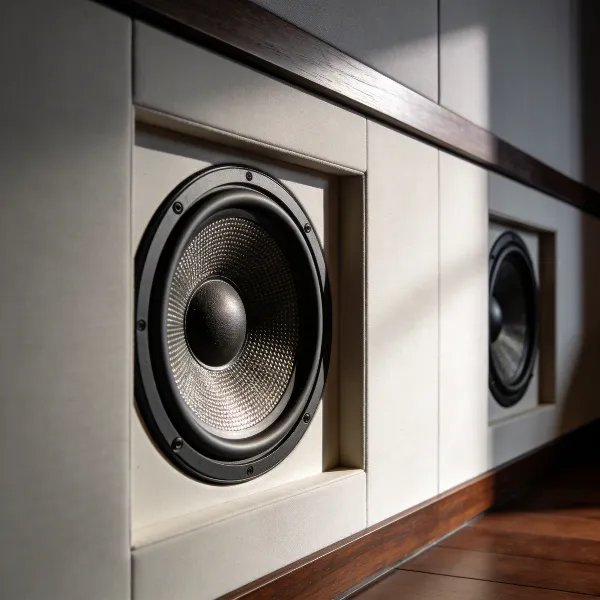
What to Look for in In-Wall Home Theater Speakers
Choosing the right in-wall speakers for your home theater can be tricky, but knowing what to look for can make the decision easier. Here are some key factors to consider:
Sound Quality and Driver Design
When it comes to in-wall speakers, sound quality is non-negotiable. The speakers' drivers are what make the difference. Look for models that feature solid woofers and tweeters for balanced audio.
- Woofer Materials: Opt for woofers made from materials like Kevlar or polypropylene for clear, deep bass that lasts.
- Tweeter Technology: A quality tweeter ensures crystal-clear high notes, which is crucial for movie dialogue and music details.
By choosing speakers with well-designed drivers, you'll get balanced sound that enhances your movie and music experience.
Power Handling and Sensitivity
The power handling and sensitivity of a speaker tell you how well it performs at different volume levels. Power handling shows how much power the speaker can take without breaking down, while sensitivity shows how efficiently the speaker converts power into sound.
- High Sensitivity: A speaker with higher sensitivity needs less power to produce the same volume, which is perfect for saving energy and getting better sound from your receiver.
- Power Handling: Make sure the speakers can handle the output from your AV receiver. This ensures distortion-free sound at higher volumes.
Build Quality and Wall Depth
Quality construction is key for long-lasting speakers that sound good over time. A solid frame reduces vibrations and keeps sound clear. The depth of your wall is also something to keep in mind when choosing speakers.
- Speaker Design: Some in-wall speakers come with built-in enclosures that improve sound performance, while others rely on your wall's structure.
- Wall Depth: Make sure the speakers fit your wall depth. If your walls are shallow, you might need to go with a speaker that has a compact design.
Compatibility with Your AV Receiver
Ensure the in-wall speakers are compatible with your AV receiver. This includes matching the impedance (usually 8 or 6 ohms) to avoid overloading your system. Some advanced receivers even work better with specific speaker models, so be sure to check for compatibility.
Where to Place In-Wall Speakers for the Best Sound
Correct placement of your in-wall speakers is essential to achieve top-notch audio. Here's how to strategically place them for maximum sound quality.
Front Speaker Placement
Place your front speakers near ear level, facing the listening area. They should be positioned symmetrically, with each speaker on either side of the screen. This ensures that the soundstage is balanced and gives you the best overall audio experience.
Surround Speaker Placement
For surround speakers, position them slightly behind the seating area and aim them at the listening space. If your room is large, you may want to place them higher on the wall to cover more area. Aiming for an angle of around 110-120° between the front and surround speakers gives the best surround sound effect.
Seating Position and Listening Height
Your seating position is a big factor in how you hear the sound. Ideally, your ears should be level with the tweeters of your speakers. This ensures that the sound is coming directly to you, making for a more immersive listening experience.
Best In-Wall Speakers for Different Needs
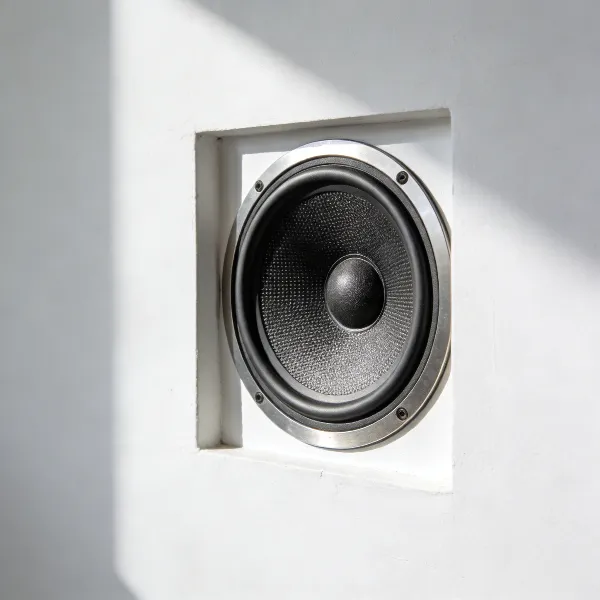
Not all in-wall speakers are created equal, and everyone has different needs. Whether you're on a budget or looking for something high-end, here are some great options for various needs.
Best Overall
For the best overall performance, the Polk Audio Vanishing Series is a top pick. Known for a well-balanced sound with deep bass and clear highs, this series has something for everyone, from budget-conscious buyers to audiophiles.
Best Budget Option
If you're on a tight budget, Pyle Home PDIC60 speakers are a great choice. They offer clear, decent sound at an affordable price, making them a solid pick for anyone looking to set up a basic home theater system without spending too much.
Best Premium Option
For those willing to invest in high-end performance, the Bowers & Wilkins CCM7.5 in-wall speakers are an exceptional choice. These speakers deliver incredible clarity and a full-range sound, perfect for audiophiles who want top-tier performance in a sleek, in-wall design.
Best for Dolby Atmos Setups
If you're setting up a Dolby Atmos system, MartinLogan Motion Series In-Wall Speakers are an excellent option. They work seamlessly with immersive audio systems like Dolby Atmos, providing powerful sound and detailed clarity that brings movies to life.
How to Install In-Wall Speakers
Installing in-wall speakers can seem like a big job, but with the right steps, you can do it yourself. Here's a quick guide on how to install them correctly.
Plan the Location and Wiring First
Before you start cutting holes in the wall, carefully plan where each speaker will go. Consider the layout of your room, where you'll be sitting, and how the speakers will fit into the space.
- Avoid Electrical Wiring: Make sure to avoid running cables over electrical lines.
- Use Fish Tape: This handy tool will help you pull wires through the wall to the speakers.
Cut and Mount the Speakers Carefully
Once the wires are in place, it's time to cut holes for the speakers. Use a template to make sure your cuts are precise. After cutting the holes, mount the speakers carefully, ensuring they are aligned and level.
Calibrate the System After Installation
After installation, don't forget to calibrate your system. Many AV receivers come with automatic calibration tools to help you adjust speaker levels and distances. If not, you can manually fine-tune the settings for the best sound.
Common In-Wall Speaker Mistakes to Avoid
Avoiding a few common mistakes can make your in-wall speaker experience much better. Here are the ones to watch out for:
Choosing Speakers Before Planning Placement
One of the most common mistakes is choosing your speakers before you've figured out where they'll go. Make sure to plan speaker placement first, so you can select the right speakers for your room layout.
Ignoring Wall Structure and Cable Routing
Make sure you understand the structure of your walls before installing. Some materials, like plaster or brick, will require different installation techniques. Don't forget to plan out the cable routing before you start cutting.
Skipping Calibration After Setup
Always calibrate your system after installation. Proper calibration ensures that your speakers are balanced and the sound is optimized for your room.
Conclusion
In-wall speakers are a fantastic way to get great sound without cluttering your space with bulky equipment. By choosing the right speakers, placing them carefully, and following proper installation steps, you can create a home theater setup that delivers immersive audio while keeping your room clean and modern. We hope this guide helps you find the perfect in-wall speakers for your home theater system.